0 item(s) in your cart :$ 0
My Account | View Cart
Come visit the Next Advance booth on February 15 and 16 at www.BioConferenceLive.com . . .
. . . read more . . .
Next Advance, Inc.
1548 Burden Lake Road
Averill Park, NY 12018, USA
Phone: 1.518.674.3510
in USA 1.800.738.1681
Fax: 1.518.674.0189
info@nextadvance.com
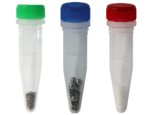
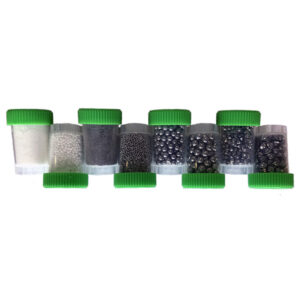
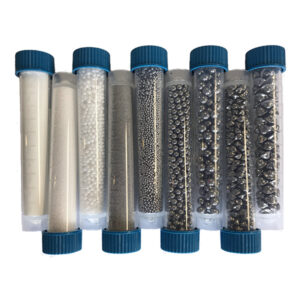
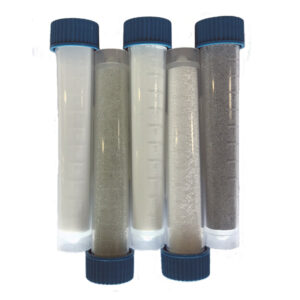
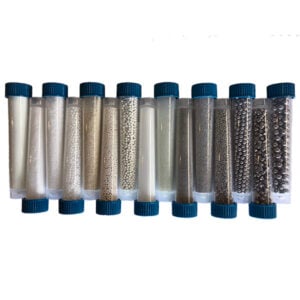
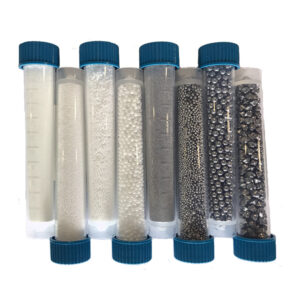
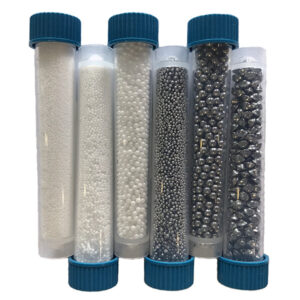
Beads are the components that strike and grind your samples resulting in tissue homogenization and cell lysis. We provide a variety of beads suitable for a wide array of samples. The general rule of thumb is to choose larger, denser beads for tougher samples. We also provide RNase free beads for RNA extractions, bead lysis kits consisting of sample tubes preloaded with optimized bead mixtures, and Sample Bead Packs for different types of samples. For more information about how to select the proper bead for your application, please see Bead Use and Selection.
Glass2.5 g/cc~300 mL/pound |
Zirconium Silicate3.8 g/cc~180 mL/pound |
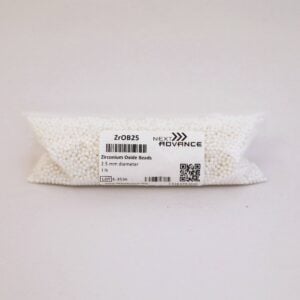
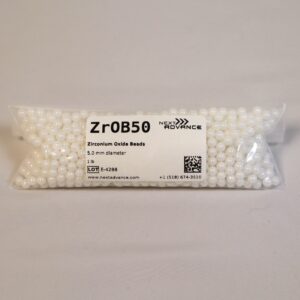
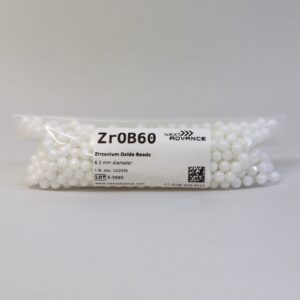
Zirconium Oxide5.5 g/cc~ 120 mL/pound |
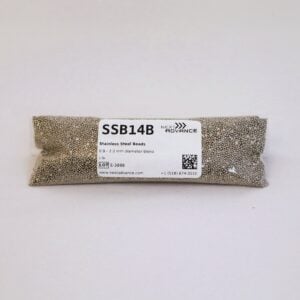
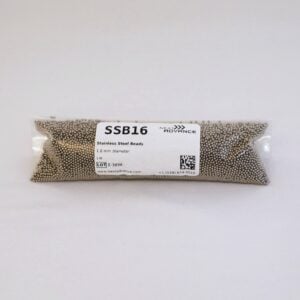
Stainless Steel7.9 g/cc~100 mL/pound |
|
GB01- 0.1mm
$39 |
ZSB05- 0.5mm
$51 |
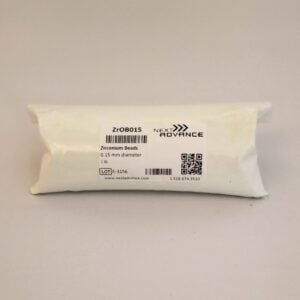
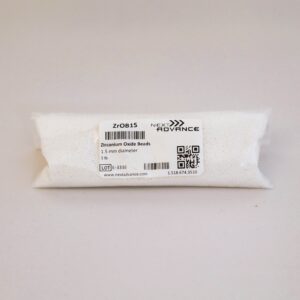
ZROB015- 0.15mm
$83 |
SSB02- 0.2mm
$98 |
|
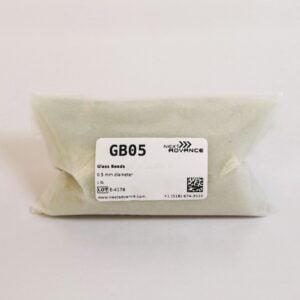
GB05- 0.5mm
$34 |
ZSB10- 1.0mm
$51 |
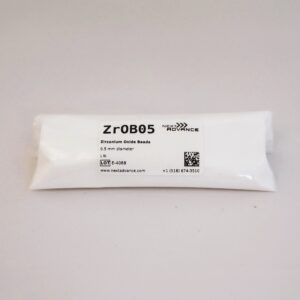
ZrOB05- 0.5mm
$83 |
SSB05- 0.5mm
$99 |
|
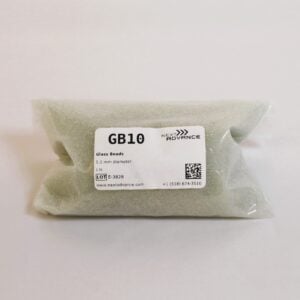
GB10- 1.0mm
$34 |
ZSB20- 2.0mm
$51 |
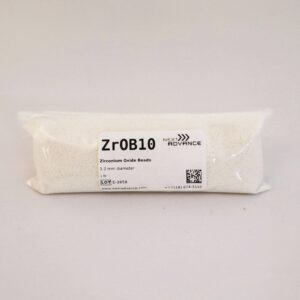
ZROB10- 1.0mm
$83 |
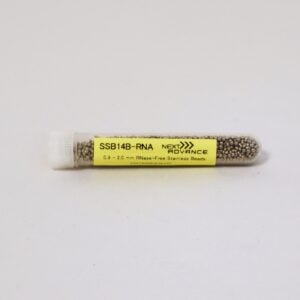
SSB14B- 0.9-2.0mm size blend
$151 |
|
|
|
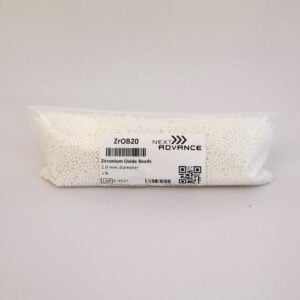
ZROB20- 2.0mm
$83 |
SSB16- 1.6mm
$151 |
|
|
|
|
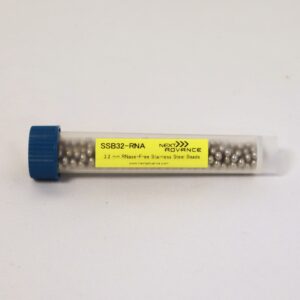
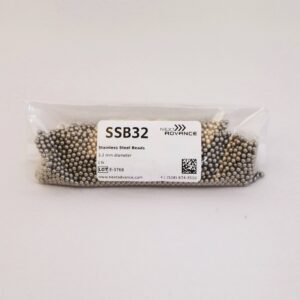
SSB32- 3.2mm
$92 |
|
|
|
|
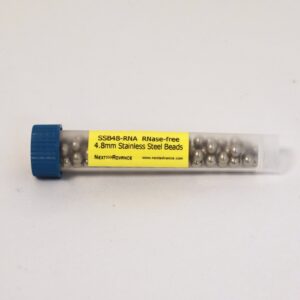
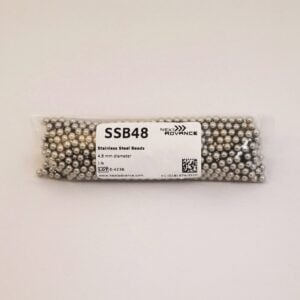
SSB48- 4.8mm*
$92 |
*Do not use with any microcentrifuge tubes
Glass2.5 g/cc |
Zirconium Oxide5.5 g/cc |
Stainless Steel7.9 g/cc |
|
GB01-RNA- 0.1mm
$28 |
ZROB015-RNA- 0.15mm
$37 |
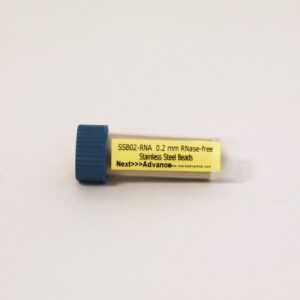
SSB02-RNA- 0.2mm
$48 |
|
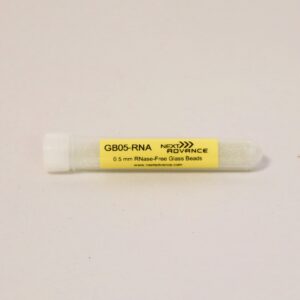
GB05-RNA- 0.5mm
$28 |
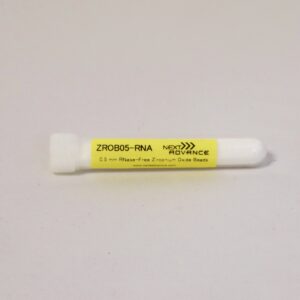
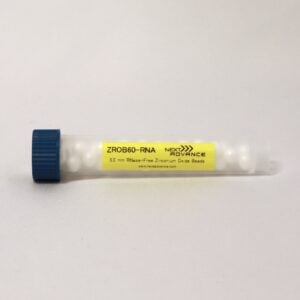
ZrOB05-RNA- 0.5mm
$37 |
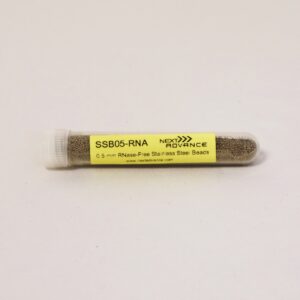
SSB05-RNA- 0.5mm
$48 |
|
|
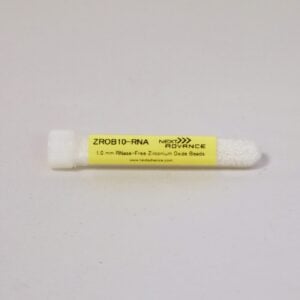
ZROB10-RNA- 1.0mm
$37 |
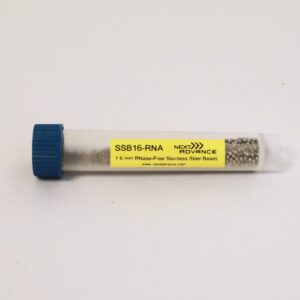
SSB14B-RNA- 0.9-2.0mm size blend
$55 |
|
|
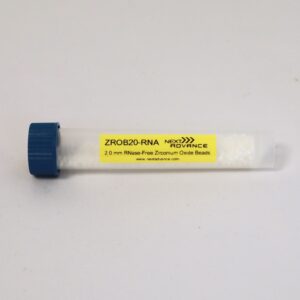
ZROB20-RNA- 2.0mm
$37 |
SSB16-RNA- 1.6mm
$55 |
|
|
|
SSB32-RNA- 3.2mm
$98 (10ml package) |
|
|
|
SSB48-RNA- 4.8mm*
$98 (10ml package) |
*Do not use with any microcentrifuge tubes
Bead Sample Pack for homogenizing cell cultures (BSP-CC2).............$123
Includes 0.1 mm glass beads (GB01), 0.5 mm glass beads (GB05), 0.15mm zirconium oxide beads (ZrOB015), 0. 5mm zirconium oxide beads (ZrOB05), and 0.2mm stainless beads (SSB02).
Bead Sample Pack for homogenizing tough organ tissues (BSP-OT2)........... $146
Includes 0.5 mm, 1.0mm and 2.0mm zirconium oxide beads (ZrOB05, ZrOB10, and ZrOB20), and 0.9 to 2.0mm blend and 3.2 mm stainless steel beads (SSB14B, SSB32).
Bead Sample Pack for homogenizing soft tissues (BSP-ST)........... $105
Includes 0.5 and 1.0 mm glass beads (GB05, GB10), 0.5, 1.0, and 2.0 mm zirconium silicate beads (ZrSB05, ZrSB10, and ZrSB20), and 0.5, 1.0, and 2.0 mm zirconium oxide beads (ZrOB05, ZrOB10, and ZrOB20).
Bead Sample Pack – complete set (BSP-ALL)........... $258
Includes all sixteen varieties of the beads we stock (one 10mL tube of each).
Bead Sample Pack for use with microcentrifuge tubes (BSP-MC)........... $151
Includes Glass beads: 0.1mm and 0.5mm. ZrO beads: 0.5mm, 1.0mm, and 2.0mm. Stainless steel: 0.2mm, 0.9-2.0mm blend and 3.2mm.
Bead Sample Pack for use with 5mL tubes (BSP-5M)........... $151
Includes Glass beads: 0.1mm. ZrO beads: 0.15mm, 0.5mm, 1.0mm, and 2.0mm. Stainless steel: 0.2mm, 0.9-2.0mm blend and 3.2m.
Jumbo Bead Sample Pack for use with 50mL centrifuge tubes (BSP-50B)........... $304
Includes Glass beads: 0.1mm. ZrO beads: 0.15mm, 0.5mm, 1.0mm and 2.0mm. Stainless: 0.2mm, 0.9-2.0mm blend, and 4.8 mm.
Using Homogenization Beads |Bead Selection Guide | Bead Calculator
Bead |
Mass Ratio* (sample-to-bead) |
| Glass | 1:1 |
| Zirconium Silicate | 1:1.5 |
| Zirconium Oxide | 1:2 |
| Stainless Steel | 1:3 |
*For all bead types, this works out to roughly 100uL of beads per 100mg of sample.
We've worked out protocols for various sample types so you can spend less time optimizing your experiments and more time getting results. Please see our protocol page for more information.
We provide a selection of beads in order to provide you with choices in your protocols and applications. Use the chart below for assistance in choosing the appropriate bead. If you don't see the sample you want to homogenize, or if you have any other questions, please contact technical support.
Since the bead amounts are based off of a mass ratio, we have provided a simple way to know how many beads you will need to obtain a certain mass. Our bead calculator table is below, and a version complete with a bead calculator is available for download in Microsoft Excel format.
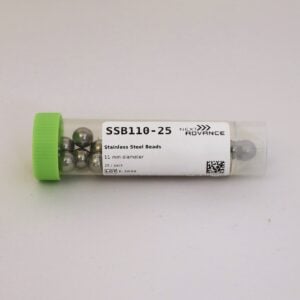
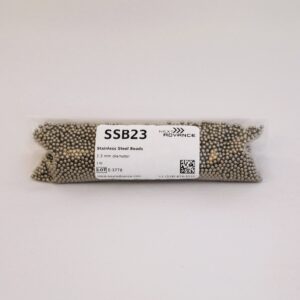
Useful estimation - a full scoop with the bead spatula will hold about 50 microliters of 1mm or smaller beads, and you can often approximate the appropriate amount of beads by volume by using a 2:1 sample-to-bead volume ratio. Please know that scoop size may vary with different sized beads or because of human error, and the amount of beads required may change based on the protocol. If you find that measuring by volume causes inconsistency, then go back to measuring by mass.
| Bead Material | Known Density (g/mL) | Observed Irregularly Packed Density (g/mL) | Weight of 100ul of beads (mg) |
| Glass | 2.5 | 1.5 | 150 |
| Zirconium Silicate | 3.8 | 2.5 | 250 |
| Zirconium Oxide | 5.5 | 3.8 | 380 |
| Stainless Steel | 7.9 | 4.5 | 450 |
*Note - All information is provided as a reference. Actual observed densities will vary based on packing efficiency in your container.
A: Yes you can! Many protocols that recommend acid washing use concentrated hydrochloric acid. This is fine for glass beads which are inert to hydrochloric acid, but it reacts with the surface of zirconium oxides generating reactive ceramic intermediates which may interfere with your experiment. We strongly advise against acid washing zirconium based beads. We also advise against acid washing stainless steel beads due to potential corrosion. Most Bullet Blender users choose to simply dispose of the beads after use since they are fairly inexpensive.
A: Washing in standard laboratory detergent (like Alconox®), followed by rinsing with deionized water to remove detergent is sufficient. Make sure that no soapy bubbles remain before allowing the beads to dry.
A: Not unless specified. You can treat non-RNase clean beads with a reagent like RNAZap® or RNaseAWAY®, followed by rinsing with nuclease free/DEPC treated water. Allow the beads to air dry in an oven or at ambient temperature. Testing is required to determine the degree (or lack thereof) of nuclease activity before and after treatment. Alternatively, baking the beads at high temperature (450°F / 232°C) for two hours or more has been shown to inactivate RNases.
A: After washing, the beads may stick together upon drying. Gently shake the container with the dried beads until they flow freely.
A: You may wash and reuse the beads many times. How many uses you can get out of a batch of beads will depend on sample hardness and the speed at which you run the Bullet Blender®. Typically, you can reuse the beads about ten times. Stop reusing the beads when cracks appear or there is noticable wear, including discoloration.
A: For protein or DNA applications you may autoclave the beads, otherwise they do not require additional preparation. For RNA extractions, we recommend washing the beads with RNase Zap® (Ambion, Inc.) or RNase Away® (Molecular BioProducts), then rinsing with nuclease free water, followed by autoclaving.
A: They can be autoclaved on dry cycle to sterilize them. They may stick, so shake the container with the dried beads until they flow freely. Alternatively, they may be gamma irradiated or exposed to ethylene oxide. Any manipulations of the beads after sterilizing must use aseptic techniques in order to preserve the beads' sterility.
A: Check the Bead Selection Guide. The two basic rules: (1) use beads of approximately the same size as the size of your samples, to maximize the collisions between beads and samples, and (2) use denser beads for tougher samples.
A: After homogenization, spin your tubes in a centrifuge for a few seconds. The beads will pool at the bottom of the tube. Remove the homogenate with a pipette and dispense in a fresh tube.
Our experienced staff of molecular biologists have worked to provide you with a set of optimized protocols for the homogenization of various tissue, cell types, and organisms so you can spend less time troubleshooting and more time getting results.
All of our currently available protocols are listed below. Please read the General Guidelines before using the Bullet Blender® in any application.
Types of Samples |
Protocols for BBX24 models® |
Protocols for BBX5MB® |
Protocols for BB50-DX® |
|
Cell Culture
|
|||
|
Animal Tissue
|
Aorta
Bladder Brain Blood Vessel Cancer Tissue (Carcinoma) Cartilage Epithelium Eye Fat / Adipose Femur (mouse) Gallbladder Heart Intestine Kidney Liver Lung/Trachea Lymph Node Meconium Muscle (Striated) Pancreas Pharynx Skin Spleen Stomach / Jejunum Tail Snips Testes Thymus gland Thyroid gland Trachea Umbilical Cord Uterus |
||
|
Plant Tissue
|
Corn | Plant | |
|
Small Organisms
|
|||
|
Extraction of Small Cells
|
|||
|
Protocols for Use with Kits
|
Adobe Acrobat Reader required to view protocols. Click Here to download Adobe PDF Reader
If you need help developing an assay with the Bullet Blender®, feel free to e-mail our tech support at support@NextAdvance.com and we'll do our best to assist you.
If you have developed a protocol with the Bullet Blender that is not listed on this page, or you have developed a protocol that works better for certain applications, please share it with everyone! E-mail it to us at support@NextAdvance.com or send it using our support form and we'll review it and add it to our list of protocols. Don't worry - we'll acknowledge you for it! Thanks!
PLEASE NOTE: The protocols used with the Bullet Blender are different than protocols used with other bead-mill homogenizers. If you previously used another product, please be sure not to use its protocols with the Bullet Blender, as you will very likely experience different results.
Does the protocol use a different kind of bead than the type you currently have? Click here for pricing and ordering.
Quick Jump To:
Bulk Beads |
Sample Packs |
RNase Free