
Ideal for Bacteria Homogenization
Do you spend lots of time and effort homogenizing bacteria samples? The Bullet Blender® tissue homogenizer delivers high quality and superior yields. No other homogenizer comes close to delivering the Bullet Blender’s winning combination of top-quality performance and budget-friendly affordability. See below for a bacteria homogenization protocol.
Save Time, Effort and Get Superior Results with
The Bullet Blender Homogenizer
Consistent and High Yield Results
Run up to 24 samples at the same time under microprocessor-controlled conditions, ensuring experimental reproducibility and high yield. Process samples from 10mg or less up to 3.5g.No Cross Contamination
No part of the Bullet Blender ever touches the tissue – the sample tubes are kept closed during homogenization. There are no probes to clean between samples.Samples Stay Cool
The Bullet Blenders’ innovative and elegant design provides convective cooling of the samples, so they do not heat up more than several degrees. In fact, our Gold+ models hold the sample temperature to about 4ºC.Easy and Convenient to Use
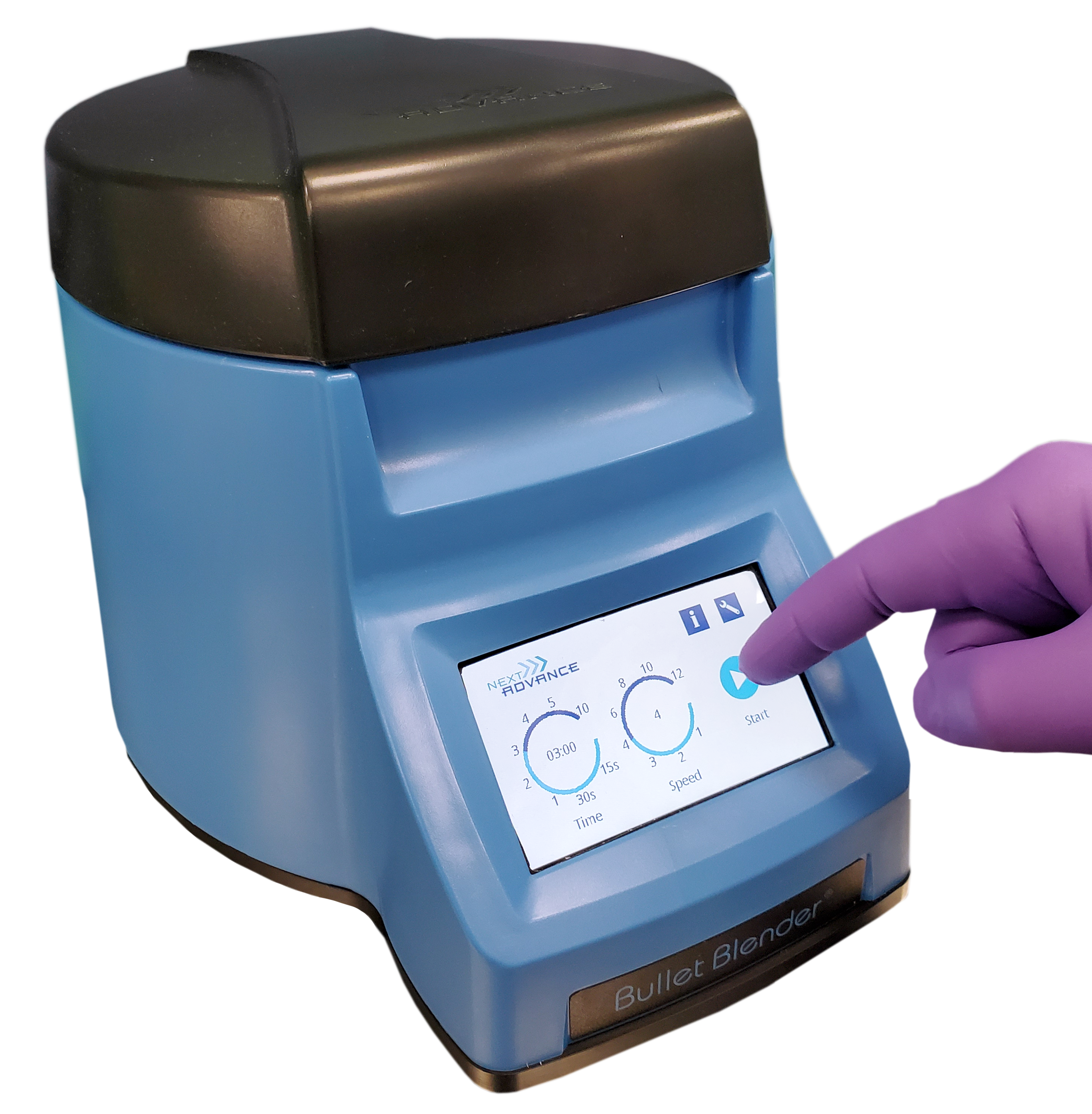
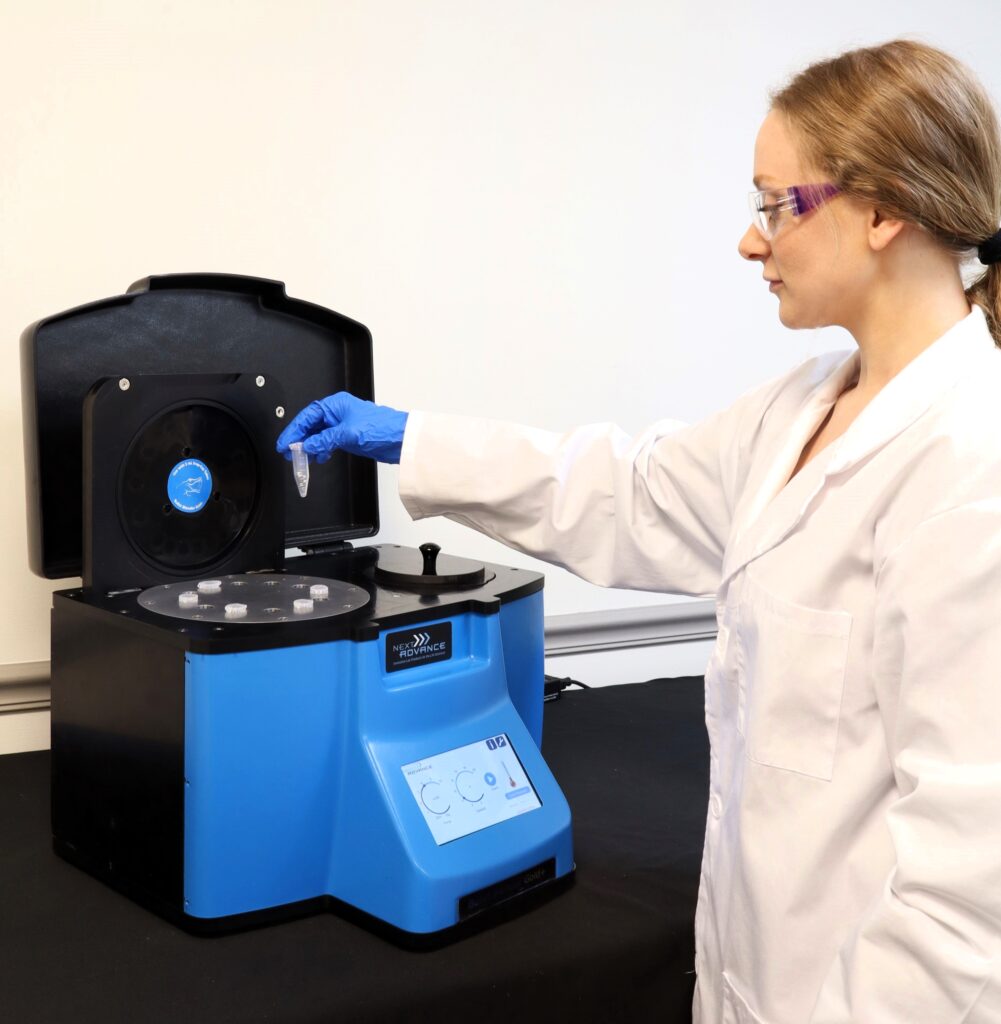
Just place beads and buffer along with your tissue sample in standard tubes, load tubes directly in the Bullet Blender, select time and speed, and press start.Risk Free Purchase
Thousands of peer-reviewed journal articles attest to the consistency and quality of the Bullet Blender homogenizer. We offer a 2 year warranty, extendable to 4 years, because our Bullet Blenders are reliable and last for many years.Bacteria Homogenization Protocol
Sample size |
See the Protocol |
| microcentrifuge tube model (up to 300 mg) | Small bacteria samples |
| 5mL tube model (100mg - 1g) | Medium bacteria samples |
| 50mL tube model (100mg - 3.5g) | Large bacteria samples |
What Else Can You Homogenize? Tough or Soft, No Problem!
The Bullet Blender can process a wide range of samples including organ tissue, cell culture, plant tissue, and small organisms. You can homogenize samples as tough as mouse femur or for gentle applications such as tissue dissociation or organelle isolation.
Want more guidance? Need a quote? Contact us:
Bullet Blender Models
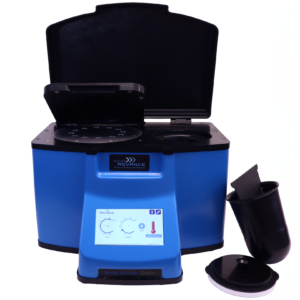
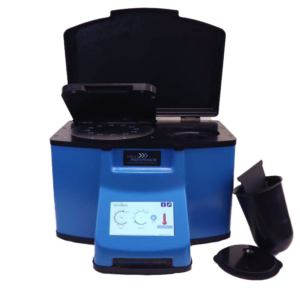
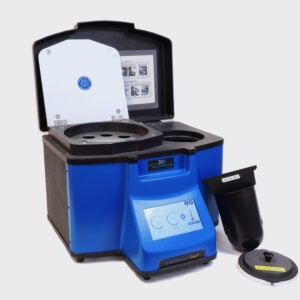
Select Publications using the Bullet Blender to Homogenize Bacteria
Freiberg, J. A., Reyes Ruiz, V. M., Gimza, B. D., Murdoch, C. C., Green, E. R., Curry, J. M., Cassat, J. E., & Skaar, E. P. (2024). Restriction of arginine induces antibiotic tolerance in Staphylococcus aureus. Nature Communications, 15(1), 6734. https://doi.org/10.1038/s41467-024-51144-9
Arıkan, M., Demir, T. K., Yıldız, Z., Nalbantoğlu, Ö. U., Korkmaz, N. D., Yılmaz, N. H., Şen, A., Özcan, M., Muth, T., Hanoğlu, L., & Yıldırım, S. (2023). Metaproteogenomic analysis of saliva samples from Parkinson’s disease patients with cognitive impairment. Npj Biofilms and Microbiomes, 9(1), 86. https://doi.org/10.1038/s41522-023-00452-x
Radhakrishnan, S. T., Gallagher, K. I., Mullish, B. H., Serrano-Contreras, J. I., Alexander, J. L., Miguens Blanco, J., Danckert, N. P., Valdivia-Garcia, M., Hopkins, B. J., Ghai, A., Ayub, A., Li, J. V., Marchesi, J. R., & Williams, H. R. T. (2023). Rectal swabs as a viable alternative to faecal sampling for the analysis of gut microbiota functionality and composition. Scientific Reports, 13(1), 493. https://doi.org/10.1038/s41598-022-27131-9
Huang, J., Shrestha, K., & Huang, Y. (2022). Revealing Differential Expression of Phytohormones in Sorghum in Response to Aphid Attack Using the Metabolomics Approach. International Journal of Molecular Sciences, 23(22), 13782. https://doi.org/10.3390/ijms232213782
Sheldon, J. R., Himmel, L. E., Kunkle, D. E., Monteith, A. J., Maloney, K. N., & Skaar, E. P. (2022). Lipocalin-2 is an essential component of the innate immune response to Acinetobacter baumannii infection. PLOS Pathogens, 18(9), e1010809. https://doi.org/10.1371/journal.ppat.1010809
Killinger, B. J., Whidbey, C., Sadler, N. C., DeLeon, A. J., Munoz, N., Kim, Y.-M., & Wright, A. T. (2022). Activity-based protein profiling identifies alternating activation of enzymes involved in the bifidobacterium shunt pathway or mucin degradation in the gut microbiome response to soluble dietary fiber. Npj Biofilms and Microbiomes, 8(1), 60. https://doi.org/10.1038/s41522-022-00313-z
Duffy, H. R., Godfrey, R. W., Williams, D. L., & Ashton, N. N. (2022). A Porcine Model for the Development and Testing of Preoperative Skin Preparations. Microorganisms, 10(5), 837. https://doi.org/10.3390/microorganisms10050837
Leggett, A., Li, D.-W., Sindeldecker, D., Staats, A., Rigel, N., Bruschweiler-Li, L., Brüschweiler, R., & Stoodley, P. (2022). Cadaverine Is a Switch in the Lysine Degradation Pathway in Pseudomonas aeruginosa Biofilm Identified by Untargeted Metabolomics. Frontiers in Cellular and Infection Microbiology, 12, 833269. https://doi.org/10.3389/fcimb.2022.833269
Horn, K. J., Jaberi Vivar, A. C., Arenas, V., Andani, S., Janoff, E. N., & Clark, S. E. (2022). Corynebacterium Species Inhibit Streptococcus pneumoniae Colonization and Infection of the Mouse Airway. Frontiers in Microbiology, 12, 804935. https://doi.org/10.3389/fmicb.2021.804935
Goosen, W. J., Kleynhans, L., Kerr, T. J., Van Helden, P. D., Buss, P., Warren, R. M., & Miller, M. A. (2022). Improved detection of Mycobacterium tuberculosis and M. bovis in African wildlife samples using cationic peptide decontamination and mycobacterial culture supplementation. Journal of Veterinary Diagnostic Investigation, 34(1), 61–67. https://doi.org/10.1177/10406387211044192
Clarke, C., Smith, K., Goldswain, S. J., Helm, C., Cooper, D. V., Kerr, T. J., Kleynhans, L., Van Helden, P. D., Warren, R. M., Miller, M. A., & Goosen, W. J. (2021). Novel molecular transport medium used in combination with Xpert MTB/RIF ultra provides rapid detection of Mycobacterium bovis in African buffaloes. Scientific Reports, 11(1), 7061. https://doi.org/10.1038/s41598-021-86682-5
Tabone, M., Bressa, C., García-Merino, J. A., Moreno-Pérez, D., Van, E. C., Castelli, F. A., Fenaille, F., & Larrosa, M. (2021). The effect of acute moderate-intensity exercise on the serum and fecal metabolomes and the gut microbiota of cross-country endurance athletes. Scientific Reports, 11(1), 3558. https://doi.org/10.1038/s41598-021-82947-1
Mandal, A., Mandal, R. K., Yang, Y., Khatri, B., Kong, B.-W., & Kwon, Y. M. (2021). In vitro characterization of chicken gut bacterial isolates for probiotic potentials. Poultry Science, 100(2), 1083–1092. https://doi.org/10.1016/j.psj.2020.11.025
Sheldon, J. R., & Skaar, E. P. (2020). Acinetobacter baumannii can use multiple siderophores for iron acquisition, but only acinetobactin is required for virulence. PLOS Pathogens, 16(10), e1008995. https://doi.org/10.1371/journal.ppat.1008995
Mullish, B. H., McDonald, J. A. K., Pechlivanis, A., Allegretti, J. R., Kao, D., Barker, G. F., Kapila, D., Petrof, E. O., Joyce, S. A., Gahan, C. G. M., Glegola-Madejska, I., Williams, H. R. T., Holmes, E., Clarke, T. B., Thursz, M. R., & Marchesi, J. R. (2019). Microbial bile salt hydrolases mediate the efficacy of faecal microbiota transplant in the treatment of recurrent Clostridioides difficile infection. Gut, 68(10), 1791–1800. https://doi.org/10.1136/gutjnl-2018-317842
Walz, A., Lukka, P. B., Pearce, C., Creissen, E., Braunstein, M., Hickey, A. J., Meibohm, B., & Gonzalez-Juarrero, M. (2019). Sterilization of Mycobacterium tuberculosis infected samples using methanol preserves anti-tuberculosis drugs for subsequent pharmacological testing studies. Tuberculosis, 117, 52–55. https://doi.org/10.1016/j.tube.2019.06.002
Otwell, A. E., Callister, S. J., Zink, E. M., Smith, R. D., & Richardson, R. E. (2016). Comparative Proteomic Analysis of Desulfotomaculum reducens MI-1: Insights into the Metabolic Versatility of a Gram-Positive Sulfate- and Metal-Reducing Bacterium. Frontiers in Microbiology, 7. https://doi.org/10.3389/fmicb.2016.00191
Tranchemontagne, Z. R., Camire, R. B., O’Donnell, V. J., Baugh, J., & Burkholder, K. M. (2016). Staphylococcus aureus Strain USA300 Perturbs Acquisition of Lysosomal Enzymes and Requires Phagosomal Acidification for Survival inside Macrophages. Infection and Immunity, 84(1), 241–253. https://doi.org/10.1128/IAI.00704-15
Wilde, A. D., Snyder, D. J., Putnam, N. E., Valentino, M. D., Hammer, N. D., Lonergan, Z. R., Hinger, S. A., Aysanoa, E. E., Blanchard, C., Dunman, P. M., Wasserman, G. A., Chen, J., Shopsin, B., Gilmore, M. S., Skaar, E. P., & Cassat, J. E. (2015). Bacterial Hypoxic Responses Revealed as Critical Determinants of the Host-Pathogen Outcome by TnSeq Analysis of Staphylococcus aureus Invasive Infection. PLOS Pathogens, 11(12), e1005341. https://doi.org/10.1371/journal.ppat.1005341
de la Torre, A., Metivier, A., Chu, F., Laurens, L. M. L., Beck, D. A. C., Pienkos, P. T., Lidstrom, M. E., & Kalyuzhnaya, M. G. (2015). Genome-scale metabolic reconstructions and theoretical investigation of methane conversion in Methylomicrobium buryatense strain 5G(B1). Microbial Cell Factories, 14(1). https://doi.org/10.1186/s12934-015-0377-3
Pekar, H., Westerberg, E., Bruno, O., Lääne, A., Persson, K. M., Sundström, L. F., & Thim, A.-M. (2015). Fast, rugged and sensitive ultra high pressure liquid chromatography tandem mass spectrometry method for analysis of cyanotoxins in raw water and drinking water—First findings of anatoxins, cylindrospermopsins and microcystin variants in Swedish source waters and infiltration ponds. Journal of Chromatography A. https://doi.org/10.1016/j.chroma.2015.12.049
Ranjan, R., Rani, A., Metwally, A., McGee, H. S., & Perkins, D. L. (2015). Analysis of the microbiome: Advantages of whole genome shotgun versus 16S amplicon sequencing. Biochemical and Biophysical Research Communications. https://doi.org/10.1016/j.bbrc.2015.12.083
Sanchez-Ingunza, R., Guard, J., Morales, C. A., & Icard, A. H. (2015). Reduction of Salmonella Enteritidis in the Spleens of Hens by Bacterins That Vary in Fimbrial Protein SefD. Foodborne Pathogens and Disease, 12(10), 836–843. https://doi.org/10.1089/fpd.2015.1971
Upadhyay, A., Fontes, F. L., Gonzalez-Juarrero, M., McNeil, M. R., Crans, D. C., Jackson, M., & Crick, D. C. (2015). Partial Saturation of Menaquinone in Mycobacterium tuberculosis : Function and Essentiality of a Novel Reductase, MenJ. ACS Central Science, 1(6), 292–302. https://doi.org/10.1021/acscentsci.5b00212
Danka, E. S., & Hunstad, D. A. (2015). Cathelicidin Augments Epithelial Receptivity and Pathogenesis in Experimental Escherichia coli Cystitis. Journal of Infectious Diseases, 211(7), 1164–1173. https://doi.org/10.1093/infdis/jiu577
Merkley, E. D., Wrighton, K. C., Castelle, C. J., Anderson, B. J., Wilkins, M. J., Shah, V., Arbour, T., Brown, J. N., Singer, S. W., Smith, R. D., & Lipton, M. S. (2015). Changes in Protein Expression Across Laboratory and Field Experiments in Geobacter bemidjiensis. Journal of Proteome Research, 14(3), 1361–1375. https://doi.org/10.1021/pr500983v
Orellana, R., Hixson, K. K., Murphy, S., Mester, T., Sharma, M. L., Lipton, M. S., & Lovley, D. R. (2014). Proteome of Geobacter sulfurreducens in the presence of U(VI). Microbiology, 160(Pt_12), 2607–2617. https://doi.org/10.1099/mic.0.081398-0
Lakritz, J. R., Poutahidis, T., Levkovich, T., Varian, B. J., Ibrahim, Y. M., Chatzigiagkos, A., Mirabal, S., Alm, E. J., & Erdman, S. E. (2014). Beneficial bacteria stimulate host immune cells to counteract dietary and genetic predisposition to mammary cancer in mice: Probiotic bacteria protect against mammary cancer. International Journal of Cancer, 135(3), 529–540. https://doi.org/10.1002/ijc.28702
Amidan, B. G., Orton, D. J., LaMarche, B. L., Monroe, M. E., Moore, R. J., Venzin, A. M., Smith, R. D., Sego, L. H., Tardiff, M. F., & Payne, S. H. (2014). Signatures for Mass Spectrometry Data Quality. Journal of Proteome Research, 13(4), 2215–2222. https://doi.org/10.1021/pr401143e
Scherr, T. D., Lindgren, K. E., Schaeffer, C. R., Hanke, M. L., Hartman, C. W., & Kielian, T. (2014). Mouse Model of Post-arthroplasty Staphylococcus epidermidis Joint Infection. In P. D. Fey (Ed.), Staphylococcus Epidermidis (Vol. 1106, pp. 173–181). Humana Press. http://link.springer.com/10.1007/978-1-62703-736-5_16
Tong, K., Zhang, Y., Liu, G., Ye, Z., & Chu, P. K. (2013). Treatment of heavy oil wastewater by a conventional activated sludge process coupled with an immobilized biological filter. International Biodeterioration & Biodegradation, 84, 65–71. https://doi.org/10.1016/j.ibiod.2013.06.002
Nicora, C. D., Anderson, B. J., Callister, S. J., Norbeck, A. D., Purvine, S. O., Jansson, J. K., Mason, O. U., David, M. M., Jurelevicius, D., Smith, R. D., & Lipton, M. S. (2013). Amino acid treatment enhances protein recovery from sediment and soils for metaproteomic studies. PROTEOMICS, n/a-n/a. https://doi.org/10.1002/pmic.201300003
Diaz-Campos, D. V. (2012). Molecular Epidemiology and Genetic Analysis of Staphylococcus species in Companion Animal Medicine. Auburn University.
Hanke, M. L., Angle, A., & Kielian, T. (2012). MyD88-Dependent Signaling Influences Fibrosis and Alternative Macrophage Activation during Staphylococcus aureus Biofilm Infection. PLoS ONE, 7(8), e42476. https://doi.org/10.1371/journal.pone.0042476
Thai, K. H., Thathireddy, A., & Hsieh, M. H. (2010). Transurethral Induction of Mouse Urinary Tract Infection. Journal of Visualized Experiments, (42). https://doi.org/10.3791/2070
Weibel, R. E., Vella, P. P., McLean, A. A., Woodhour, A. F., Davidson, W. L., & Hilleman, M. R. (1977). Studies in human subjects of polyvalent pneumococcal vaccines (39894). Proceedings of the Society for Experimental Biology and Medicine. Society for Experimental Biology and Medicine, 156(1), 144–150. https://doi.org/10.3181/00379727-156-39894
Liu, G., Ye, Z., Tong, K., & Zhang, Y. (2013). Biotreatment of heavy oil wastewater by combined upflow anaerobic sludge blanket and immobilized biological aerated filter in a pilot-scale test. Biochemical Engineering Journal, 72, 48–53. https://doi.org/10.1016/j.bej.2012.12.017
Kim, J. E., Eom, H.-J., Kim, Y., Ahn, J. E., Kim, J. H., & Han, N. S. (2012). Enhancing acid tolerance of Leuconostoc mesenteroides with glutathione. Biotechnology Letters, 34(4), 683–687. https://doi.org/10.1007/s10529-011-0815-1