
Ideal for Kidney Tissue Homogenization
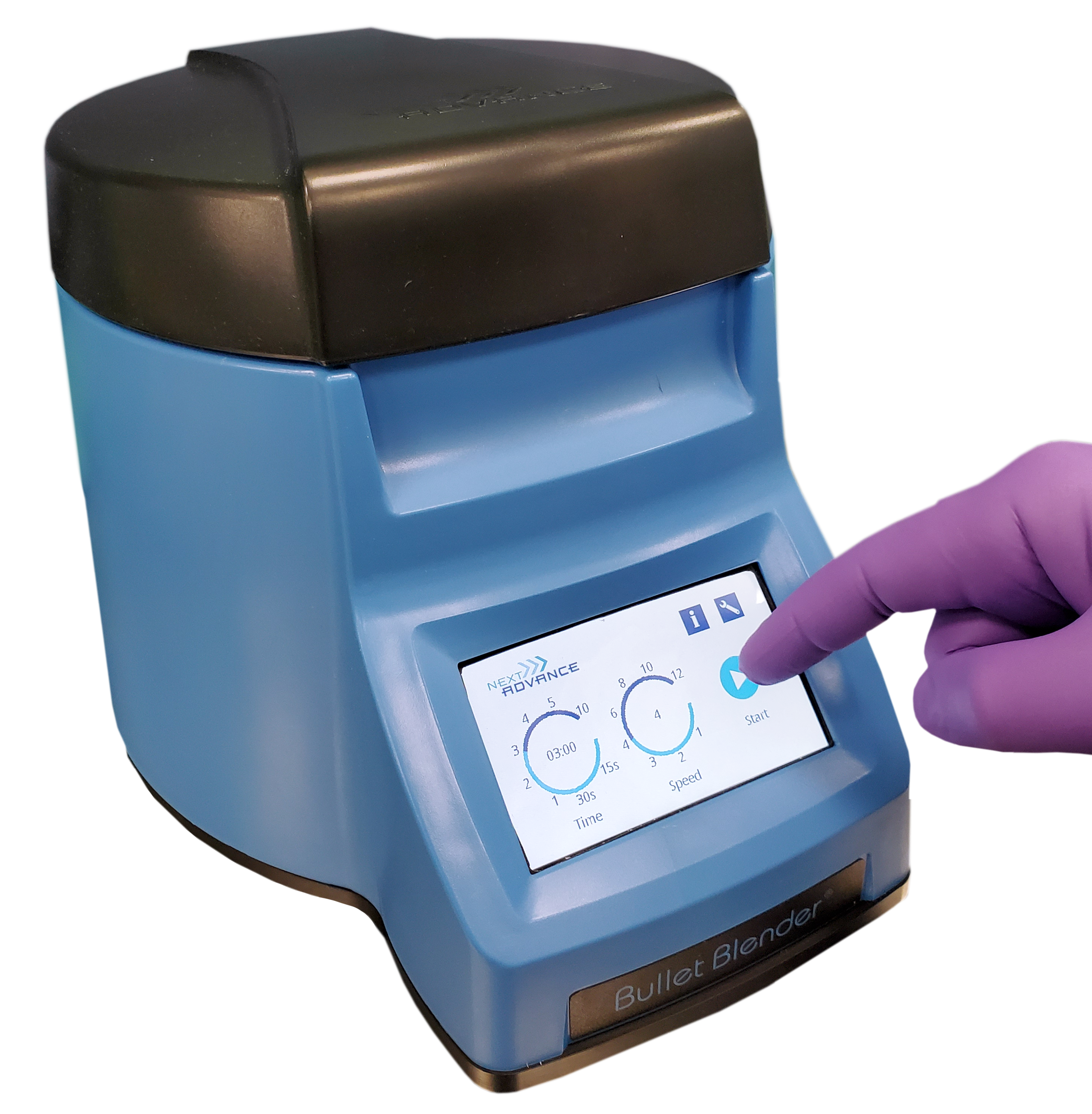
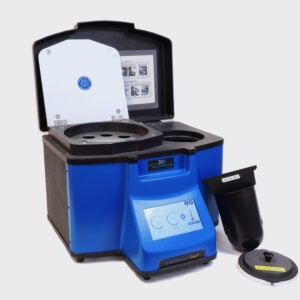
Do you spend lots of time and effort homogenizing kidney tissue samples? The Bullet Blender® tissue homogenizer delivers high quality and superior yields. No other homogenizer comes close to delivering the Bullet Blender’s winning combination of top-quality performance and budget-friendly affordability. See below for a kidney tissue homogenization protocol.
Save Time, Effort and Get Superior Results with
The Bullet Blender Homogenizer
Consistent and High Yield Results
Run up to 24 samples at the same time under microprocessor-controlled conditions, ensuring experimental reproducibility and high yield. Process samples from 10mg or less up to 3.5g.No Cross Contamination
No part of the Bullet Blender ever touches the tissue – the sample tubes are kept closed during homogenization. There are no probes to clean between samples.Samples Stay Cool
The Bullet Blenders’ innovative and elegant design provides convective cooling of the samples, so they do not heat up more than several degrees. In fact, our Gold+ models hold the sample temperature to about 4ºC.Easy and Convenient to Use
Just place beads and buffer along with your tissue sample in standard tubes, load tubes directly in the Bullet Blender, select time and speed, and press start.Risk Free Purchase
Thousands of peer-reviewed journal articles attest to the consistency and quality of the Bullet Blender homogenizer. We offer a 2 year warranty, extendable to 4 years, because our Bullet Blenders are reliable and last for many years.Kidney Tissue Homogenization Protocol
| Sample Tube | Protocol |
|---|---|
| 1.5 mL tubes | 1.5 mL tubes Kidney Protocol |
| 1.5/2 mL tubes using 5 mL adapters | 1.5/2 mL tubes using 5 mL adapters Kidney Protocol |
| 5 mL tubes | 5 mL tubes Kidney Protocol |
What Else Can You Homogenize? Tough or Soft, No Problem!
The Bullet Blender can process a wide range of samples including organ tissue, cell culture, plant tissue, and small organisms. You can homogenize samples as tough as mouse femur or for gentle applications such as tissue dissociation or organelle isolation.
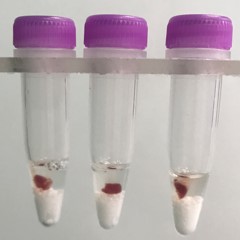
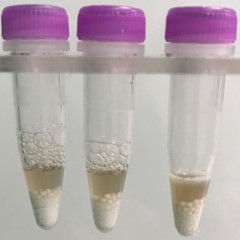
Kidney tissue pieces (on beads in upper photo) are completely homogenized into the buffer (slightly darker in lower photo).
Want more guidance? Need a quote? Contact us:
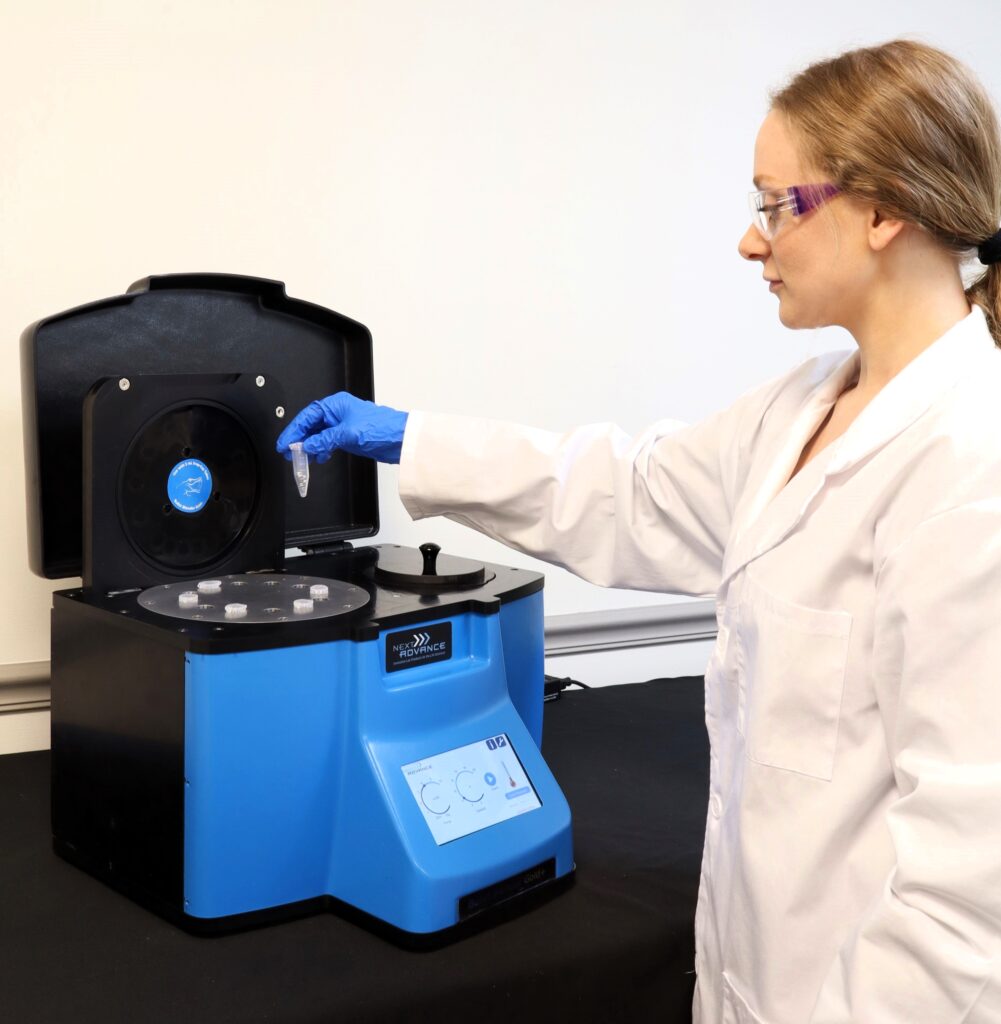
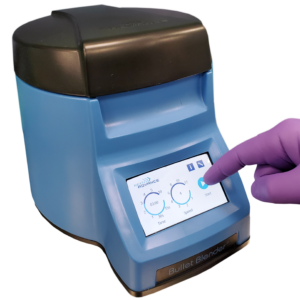
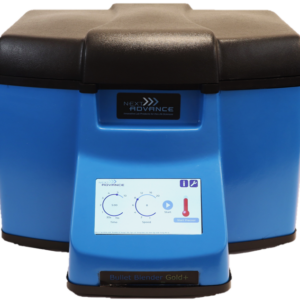
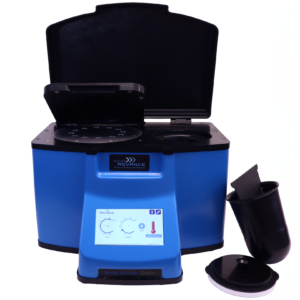
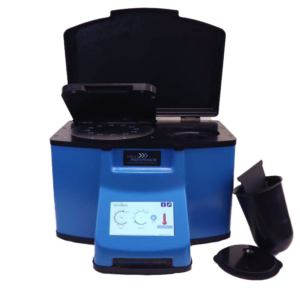
Bullet Blender Models
Select Publications using the Bullet Blender to Homogenize Kidney Tissue
Chrysopoulou, M., Rosa, X. D. L., Tan, Y., Kovalenko, E., Hahn, O., Andersen, J. F., Lassé, M., Matchkov, V., Wulfmeyer, V. C., Jaegers, J., Billing, A. M., Colby, E., Bleich, M., Schermer, B., Kostidis, S., Giera, M., Peti-Peterdi, J., Rhee, E. P., Grams, M. E., … Rinschen, M. M. (2026). Diversion of Arginine’s dietary metabolic fate in proteinuric kidney disease. In Review. https://doi.org/10.21203/rs.3.rs-9927381/v1
Zizmare, L., Hofmann, U., Jarboui, M. A., Klose, F., Fraschka, S., Matthes, J., Krüger, M., Schaeffeler, E., Schwab, M., Ueffing, M., Pichler, B. J., Boldt, K., Casadei, N., & Trautwein, C. (2025). Cryogenic mouse tissue homogenization as an alternative to fresh-frozen biopsy use for genomics, transcriptomics, proteomics and metabolomics. Scientific Reports, 15(1), 20254. https://doi.org/10.1038/s41598-025-06438-3
Wolff, C. A., Gutierrez-Monreal, M. A., Meng, L., Zhang, X., Douma, L. G., Costello, H. M., Douglas, C. M., Ebrahimi, E., Pham, A., Oliveira, A. C., Fu, C., Nguyen, A., Alava, B. R., Hesketh, S. J., Morris, A. R., Endale, M. M., Crislip, G. R., Cheng, K., Schroder, E. A., … Esser, K. A. (2023). Defining the age-dependent and tissue-specific circadian transcriptome in male mice. Cell Reports, 42(1), 111982. https://doi.org/10.1016/j.celrep.2022.111982
Tonnus, W., Meyer, C., Steinebach, C., Belavgeni, A., Von Mässenhausen, A., Gonzalez, N. Z., Maremonti, F., Gembardt, F., Himmerkus, N., Latk, M., Locke, S., Marschner, J., Li, W., Short, S., Doll, S., Ingold, I., Proneth, B., Daniel, C., Kabgani, N., … Linkermann, A. (2021). Dysfunction of the key ferroptosis-surveilling systems hypersensitizes mice to tubular necrosis during acute kidney injury. Nature Communications, 12(1), 4402. https://doi.org/10.1038/s41467-021-24712-6
Tunçdemi̇R, M., Büyükçolpan Mi̇Rzataş, E., & Uzun, H. (2018). Renoprotective potential of quercetin in experimental diabetic nephropathy: assesing antiapoptotic and antioxidant effects. Archives of Clinical and Experimental Medicine, 3(3), 179–185. https://doi.org/10.25000/acem.452530
Coughlan, M. T., Nguyen, T.-V., Penfold, S. A., Higgins, G. C., Thallas-Bonke, V., Tan, S. M., Bergen, N. J. V., Sourris, K. C., Harcourt, B. E., Thorburn, D. R., Trounce, I. A., Cooper, M. E., & Forbes, J. M. (2016). Mapping time-course mitochondrial adaptations in the kidney in experimental diabetes. Clinical Science, 130(9), 711–720. https://doi.org/10.1042/CS20150838
Adamo, R. F., Fishbein, I., Zhang, K., Wen, J., Levy, R. J., Alferiev, I. S., & Chorny, M. (2016). Magnetically enhanced cell delivery for accelerating recovery of the endothelium in injured arteries. Journal of Controlled Release, 222, 169–175. https://doi.org/10.1016/j.jconrel.2015.12.025
Doldur-Balli, F., Ozel, M. N., Gulsuner, S., Tekinay, A. B., Ozcelik, T., Konu, O., & Adams, M. M. (2015). Characterization of a novel zebrafish (Danio rerio) gene, wdr81, associated with cerebellar ataxia, mental retardation and dysequilibrium syndrome (CAMRQ). BMC Neuroscience, 16(1). https://doi.org/10.1186/s12868-015-0229-4
Falendysz, E. A., Lopera, J. G., Lorenzsonn, F., Salzer, J. S., Hutson, C. L., Doty, J., Gallardo-Romero, N., Carroll, D. S., Osorio, J. E., & Rocke, T. E. (2015). Further Assessment of Monkeypox Virus Infection in Gambian Pouched Rats (Cricetomys gambianus) Using In Vivo Bioluminescent Imaging. PLOS Neglected Tropical Diseases, 9(10), e0004130. https://doi.org/10.1371/journal.pntd.0004130
Rosen, D. A., Hilliard, J. K., Tiemann, K. M., Todd, E. M., Morley, S. C., & Hunstad, D. A. (2015). Klebsiella pneumoniae FimK Promotes Virulence in Murine Pneumonia. Journal of Infectious Diseases, jiv440. https://doi.org/10.1093/infdis/jiv440
Hezel, M. P., Liu, M., Schiffer, T. A., Larsen, F. J., Checa, A., Wheelock, C. E., Carlström, M., Lundberg, J. O., & Weitzberg, E. (2015). Effects of long-term dietary nitrate supplementation in mice. Redox Biology, 5, 234–242. https://doi.org/10.1016/j.redox.2015.05.004
Danan-Gotthold, M., Golan-Gerstl, R., Eisenberg, E., Meir, K., Karni, R., & Levanon, E. Y. (2015). Identification of recurrent regulated alternative splicing events across human solid tumors. Nucleic Acids Research, 43(10), 5130–5144. https://doi.org/10.1093/nar/gkv210
Mootz, J. M., Benson, M. A., Heim, C. E., Crosby, H. A., Kavanaugh, J. S., Dunman, P. M., Kielian, T., Torres, V. J., & Horswill, A. R. (2015). Rot is a key regulator of Staphylococcus aureus biofilm formation: Rot regulates S . aureus biofilm formation. Molecular Microbiology, 96(2), 388–404. https://doi.org/10.1111/mmi.12943
Kantharidis, P., Hagiwara, S., Brennan, E., & McClelland, A. D. (2015). Study of microRNA in diabetic nephropathy: Isolation, quantification and biological function: MicroRNA in diabetic nephropathy. Nephrology, 20(3), 132–139. https://doi.org/10.1111/nep.12374
Eriksson, A., Williams, M. J., Voisin, S., Hansson, I., Krishnan, A., Philippot, G., Yamskova, O., Herisson, F. M., Dnyansagar, R., Moschonis, G., Manios, Y., Chrousos, G. P., Olszewski, P. K., Frediksson, R., & Schiöth, H. B. (2015). Implication of coronin 7 in body weight regulation in humans, mice and flies. BMC Neuroscience, 16(1), 13. https://doi.org/10.1186/s12868-015-0151-9
Gao, X., Yang, T., Liu, M., Peleli, M., Zollbrecht, C., Weitzberg, E., Lundberg, J. O., Persson, A. E. G., & Carlstrom, M. (2015). NADPH Oxidase in the Renal Microvasculature Is a Primary Target for Blood Pressure-Lowering Effects by Inorganic Nitrate and Nitrite. Hypertension, 65(1), 161–170. https://doi.org/10.1161/HYPERTENSIONAHA.114.04222
Zhang, Z., He, L., Hu, S., Wang, Y., Lai, Q., Yang, P., Yu, Q., Zhang, S., Xiong, F., Simsekyilmaz, S., Ning, Q., Li, J., Zhang, D., Zhang, H., Xiang, X., Zhou, Z., Sun, H., & Wang, C.-Y. (2015). AAL exacerbates pro-inflammatory response in macrophages by regulating Mincle/Syk/Card9 signaling along with the Nlrp3 inflammasome assembly. American Journal of Translational Research, 7(10), 1812–1825.
Wang, Z., Wei, M., Wang, M., Chen, L., Liu, H., Ren, Y., Shi, K., & Jiang, H. (2014). Inhibition of Macrophage Migration Inhibitory Factor Reduces Diabetic Nephropathy in Type II Diabetes Mice. Inflammation, 37(6), 2020–2029. https://doi.org/10.1007/s10753-014-9934-x
Huang, C.-C., Lou, B.-S., Hsu, F.-L., & Hou, C.-C. (2014). Use of urinary metabolomics to evaluate the effect of hyperuricemia on the kidney. Food and Chemical Toxicology, 74, 35–44. https://doi.org/10.1016/j.fct.2014.08.017
Borschensky, C. M., & Reinacher, M. (2014). Mutations in the 3c and 7b genes of feline coronavirus in spontaneously affected FIP cats. Research in Veterinary Science, 97(2), 333–340. https://doi.org/10.1016/j.rvsc.2014.07.016
Hains, D. S., Chen, X., Saxena, V., Barr-Beare, E., Flemming, W., Easterling, R., Becknell, B., Schwartz, G. J., & Schwaderer, A. L. (2014). Carbonic anhydrase 2 deficiency leads to increased pyelonephritis susceptibility. AJP: Renal Physiology, 307(7), F869–F880. https://doi.org/10.1152/ajprenal.00344.2014
van der Plas-Duivesteijn, S. J., Mohammed, Y., Dalebout, H., Meijer, A., Botermans, A., Hoogendijk, J. L., Henneman, A. A., Deelder, A. M., Spaink, H. P., & Palmblad, M. (2014). Identifying Proteins in Zebrafish Embryos Using Spectral Libraries Generated from Dissected Adult Organs and Tissues. Journal of Proteome Research, 13(3), 1537–1544. https://doi.org/10.1021/pr4010585
Melero, M., García-Párraga, D., Corpa, J., Ortega, J., Rubio-Guerri, C., Crespo, J., Rivera-Arroyo, B., & Sánchez-Vizcaíno, J. (2014). First molecular detection and characterization of herpesvirus and poxvirus in a Pacific walrus (Odobenus rosmarus divergens). BMC Veterinary Research, 10(1), 968. https://doi.org/10.1186/s12917-014-0308-2
Parra, S., Huang, X., Charbeneau, R. A., Wade, S. M., Kaur, K., Rorabaugh, B. R., & Neubig, R. R. (2014). Conditional disruption of interactions between Gαi2 and regulator of G protein signaling (RGS) proteins protects the heart from ischemic injury. BMC Pharmacology and Toxicology, 15(1), 29. https://doi.org/10.1186/2050-6511-15-29
Becknell, B., Spencer, J. D., Carpenter, A. R., Chen, X., Singh, A., Ploeger, S., Kline, J., Ellsworth, P., Li, B., Proksch, E., Schwaderer, A. L., Hains, D. S., Justice, S. S., & McHugh, K. M. (2013). Expression and Antimicrobial Function of Beta-Defensin 1 in the Lower Urinary Tract. PLoS ONE, 8(10), e77714. https://doi.org/10.1371/journal.pone.0077714
Cheng, X., Guo, S., Liu, Y., Chu, H., Hakimi, P., Berger, N. A., Hanson, R. W., & Kao, H.-Y. (2013). Ablation of Promyelocytic Leukemia Protein (PML) Re-patterns Energy Balance and Protects Mice from Obesity Induced by a Western Diet. Journal of Biological Chemistry, 288(41), 29746–29759. https://doi.org/10.1074/jbc.M113.487595
Karauzum, H., Adhikari, R. P., Sarwar, J., Devi, V. S., Abaandou, L., Haudenschild, C., Mahmoudieh, M., Boroun, A. R., Vu, H., Nguyen, T., Warfield, K. L., Shulenin, S., & Aman, M. J. (2013). Structurally Designed Attenuated Subunit Vaccines for S. aureus LukS-PV and LukF-PV Confer Protection in a Mouse Bacteremia Model. PLoS ONE, 8(6), e65384. https://doi.org/10.1371/journal.pone.0065384
Nakayama, K. H., Lee, C. C. I., Batchelder, C. A., & Tarantal, A. F. (2013). Tissue Specificity of Decellularized Rhesus Monkey Kidney and Lung Scaffolds. PLoS ONE, 8(5), e64134. https://doi.org/10.1371/journal.pone.0064134
Carlström, M., Brown, R. D., Yang, T., Hezel, M., Larsson, E., Scheffer, P. G., Teerlink, T., Lundberg, J. O., & Persson, A. E. G. (2013). L-arginine or tempol supplementation improves renal and cardiovascular function in rats with reduced renal mass and chronic high salt intake. Acta Physiologica, 207(4), 732–741. https://doi.org/10.1111/apha.12079
Hoang, H. D., Prasain, J. K., Dorand, D., & Miller, M. A. (2013). A Heterogeneous Mixture of F-Series Prostaglandins Promotes Sperm Guidance in the Caenorhabditis elegans Reproductive Tract. PLoS Genetics, 9(1), e1003271. https://doi.org/10.1371/journal.pgen.1003271
Rubio-Guerri, C., Melero, M., Esperón, F., Bellière, E., Arbelo, M., Crespo, J., Sierra, E., García-Párraga, D., & Sánchez-Vizcaíno, J. (2013). Unusual striped dolphin mass mortality episode related to cetacean morbillivirus in the Spanish Mediterranean sea. BMC Veterinary Research, 9(1), 106. https://doi.org/10.1186/1746-6148-9-106
Hanstein, R., Negoro, H., Patel, N. K., Charollais, A., Meda, P., Spray, D. C., Suadicani, S. O., & Scemes, E. (2013). Promises and pitfalls of a Pannexin1 transgenic mouse line. Frontiers in Pharmacology, 4. https://doi.org/10.3389/fphar.2013.00061
Chaker, B., Samra, T. A., Datta, N. S., & Abou-Samra, A. B. (2013). Altered Responses to Cold Environment in Urocortin 1 and Corticotropin-Releasing Factor Deficient Mice. Physiology Journal, 2013, 1–7. https://doi.org/10.1155/2013/185767
Fox, K. A., Longo, M., Tamayo, E., Gamble, P., Makhlouf, M., Mateus, J. F., & Saade, G. R. (2012). Sex-specific effects of nicotine exposure on developmental programming of blood pressure and vascular reactivity in the C57Bl/6J mouse. American Journal of Obstetrics and Gynecology, 207(3), 208.e1-208.e9. https://doi.org/10.1016/j.ajog.2012.06.021
Kumar, M., Roe, K., Nerurkar, P. V., Namekar, M., Orillo, B., Verma, S., & Nerurkar, V. R. (2012). Impaired Virus Clearance, Compromised Immune Response and Increased Mortality in Type 2 Diabetic Mice Infected with West Nile Virus. PLoS ONE, 7(8), e44682. https://doi.org/10.1371/journal.pone.0044682
Hanke, M. L., Angle, A., & Kielian, T. (2012). MyD88-Dependent Signaling Influences Fibrosis and Alternative Macrophage Activation during Staphylococcus aureus Biofilm Infection. PLoS ONE, 7(8), e42476. https://doi.org/10.1371/journal.pone.0042476
Adhikari, R. P., Karauzum, H., Sarwar, J., Abaandou, L., Mahmoudieh, M., Boroun, A. R., Vu, H., Nguyen, T., Devi, V. S., Shulenin, S., Warfield, K. L., & Aman, M. J. (2012). Novel Structurally Designed Vaccine for S. aureus α-Hemolysin: Protection against Bacteremia and Pneumonia. PLoS ONE, 7(6), e38567. https://doi.org/10.1371/journal.pone.0038567
Harcourt, B. E., Forbes, J. M., & Matthews, V. B. (2012). Obesity-induced renal impairment is exacerbated in interleukin-6-knockout mice: IL-6 KO worsens kidney injury in obesity. Nephrology, 17(3), 257–262. https://doi.org/10.1111/j.1440-1797.2011.01547.x
Fox, K. A., Longo, M., Tamayo, E., Kechichian, T., Bytautiene, E., Hankins, G. D. V., Saade, G. R., & Costantine, M. M. (2011). Effects of pravastatin on mediators of vascular function in a mouse model of soluble Fms-like tyrosine kinase-1–induced preeclampsia. American Journal of Obstetrics and Gynecology, 205(4), 366.e1-366.e5. https://doi.org/10.1016/j.ajog.2011.06.083
Carlstrom, M., Persson, A. E. G., Larsson, E., Hezel, M., Scheffer, P. G., Teerlink, T., Weitzberg, E., & Lundberg, J. O. (2011). Dietary nitrate attenuates oxidative stress, prevents cardiac and renal injuries, and reduces blood pressure in salt-induced hypertension. Cardiovascular Research, 89(3), 574–585. https://doi.org/10.1093/cvr/cvq366
Thai, K. H., Thathireddy, A., & Hsieh, M. H. (2010). Transurethral Induction of Mouse Urinary Tract Infection. Journal of Visualized Experiments, (42). https://doi.org/10.3791/2070
Rayner, K. J., Suarez, Y., Davalos, A., Parathath, S., Fitzgerald, M. L., Tamehiro, N., Fisher, E. A., Moore, K. J., & Fernandez-Hernando, C. (2010). MiR-33 Contributes to the Regulation of Cholesterol Homeostasis. Science, 328(5985), 1570–1573. https://doi.org/10.1126/science.1189862