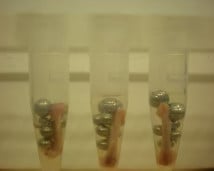
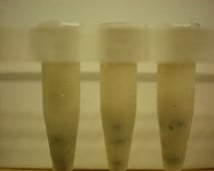
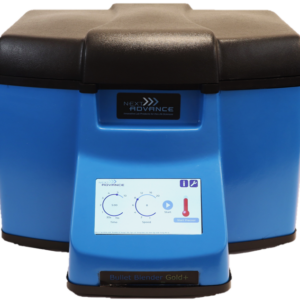
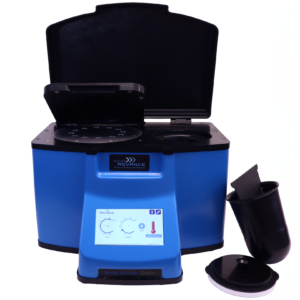
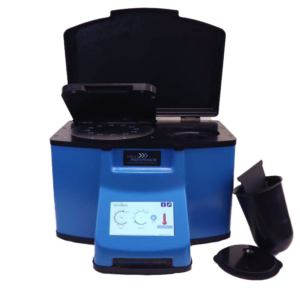
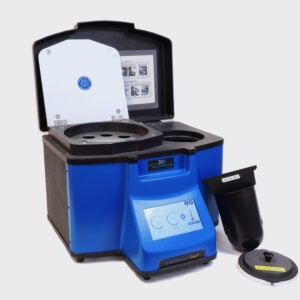
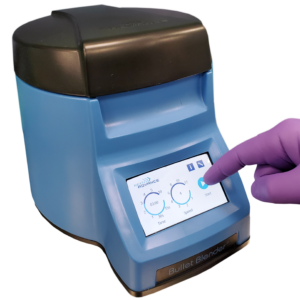
The Bullet Blender bead mill homogenizer can efficiently prepare up to 24 samples for RNA extraction in just minutes. Using unique striking technology, it thoroughly lyses samples, ensuring they are ready for downstream RNA extraction from tissue. Each sample is homogenized consistently, resulting in high RNA yields and minimal variation between samples. For detailed preparation times and speeds, visit the protocols page.
For over a dozen years, our bead lysis kits have been trusted and cited by researchers worldwide. These kits include a combination of bead sizes to ensure thorough tissue homogenization without degrading nucleic acids. Simply add your sample to the lysis kit tube and homogenize at the appropriate settings for optimal results. For detailed protocols and Bullet Blender settings, visit our protocols page.
Step 2: RNA Extraction from Tissue
Use the preferred RNA extraction method, whether it’s a kit or a proven protocol. The quality of extracted RNA is ideal for RT-qPCR amplification, RNA-Seq, micro-array analysis, northern blotting, and cloning.
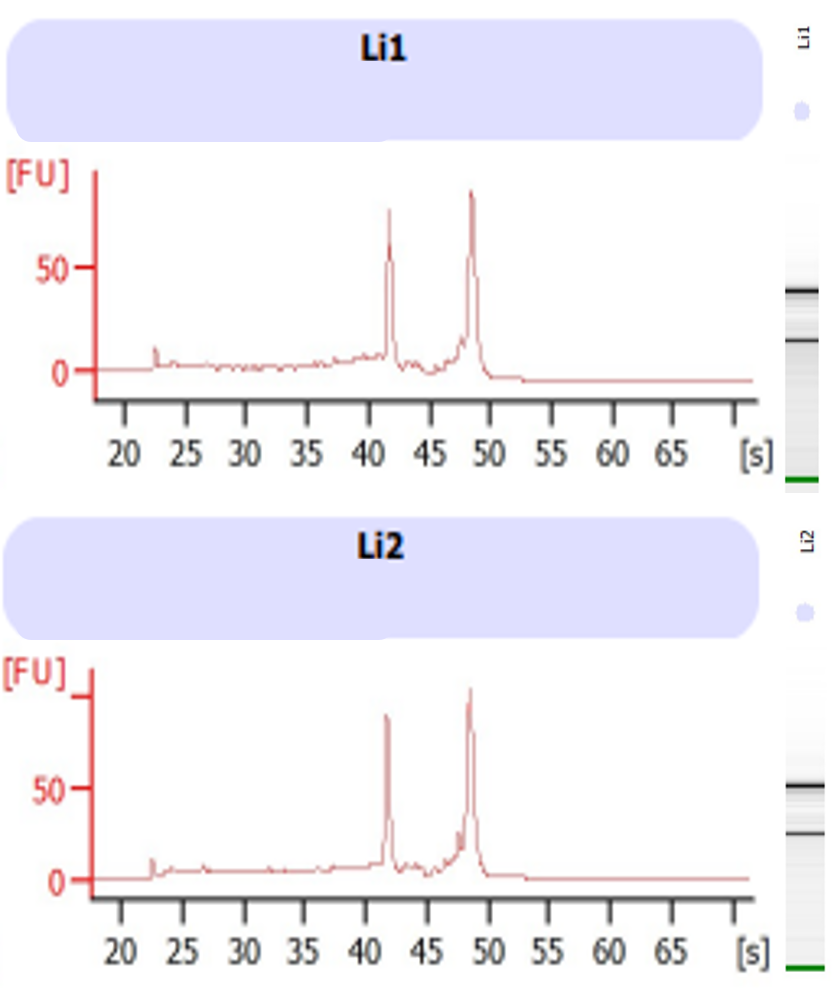
RNA from Mouse Liver Samples Extracted Using Next Advance Bullet Blender and RNA Extraction Kit by Microzone. RNA from 50 mg of mouse liver was homogenized using the Bullet Blender Storm Pro. RNA was extracted from the homogenate.
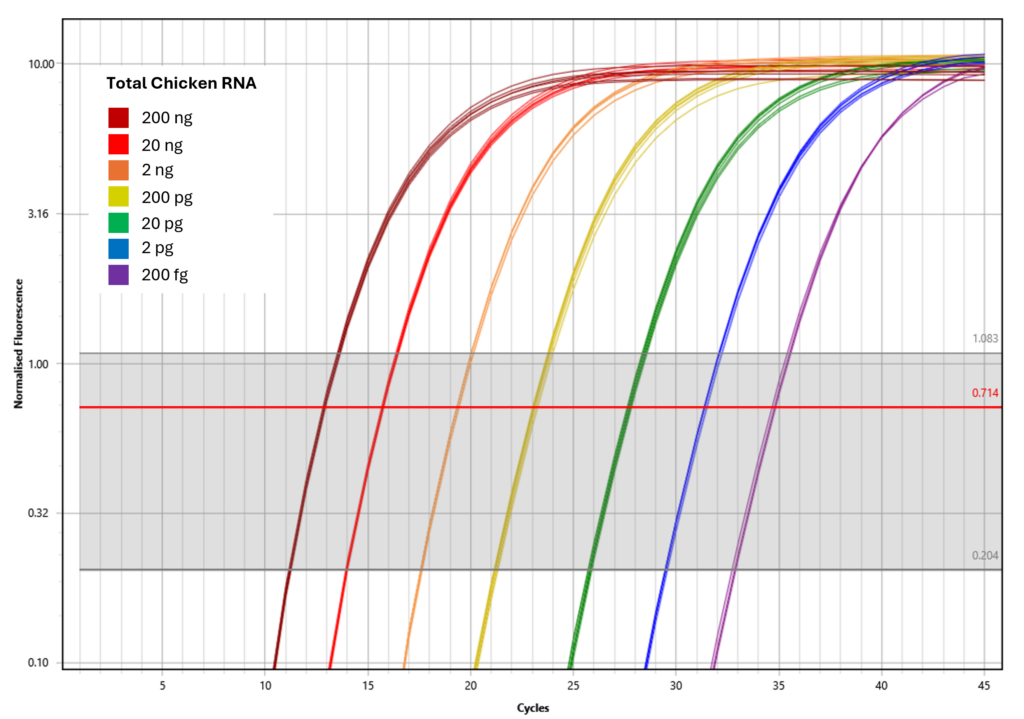
One-step RT-qPCR amplification from RNA isolated using MAGneat Animal Tissue RNA Extraction Kit. Total RNA was extracted from chicken pectoral muscle and used as template for the dynamic range setup targeting GAPDH fragment. The reaction was set up using eight 10-fold serial dilutions (200 ng – 200 fg, six replicates at each concentration) of chicken total RNA. The amplification plot shows reproducibility and accuracy across a wide dynamic range.